How Random Games Can Create Friendly Rivalries Without Skill Gaps
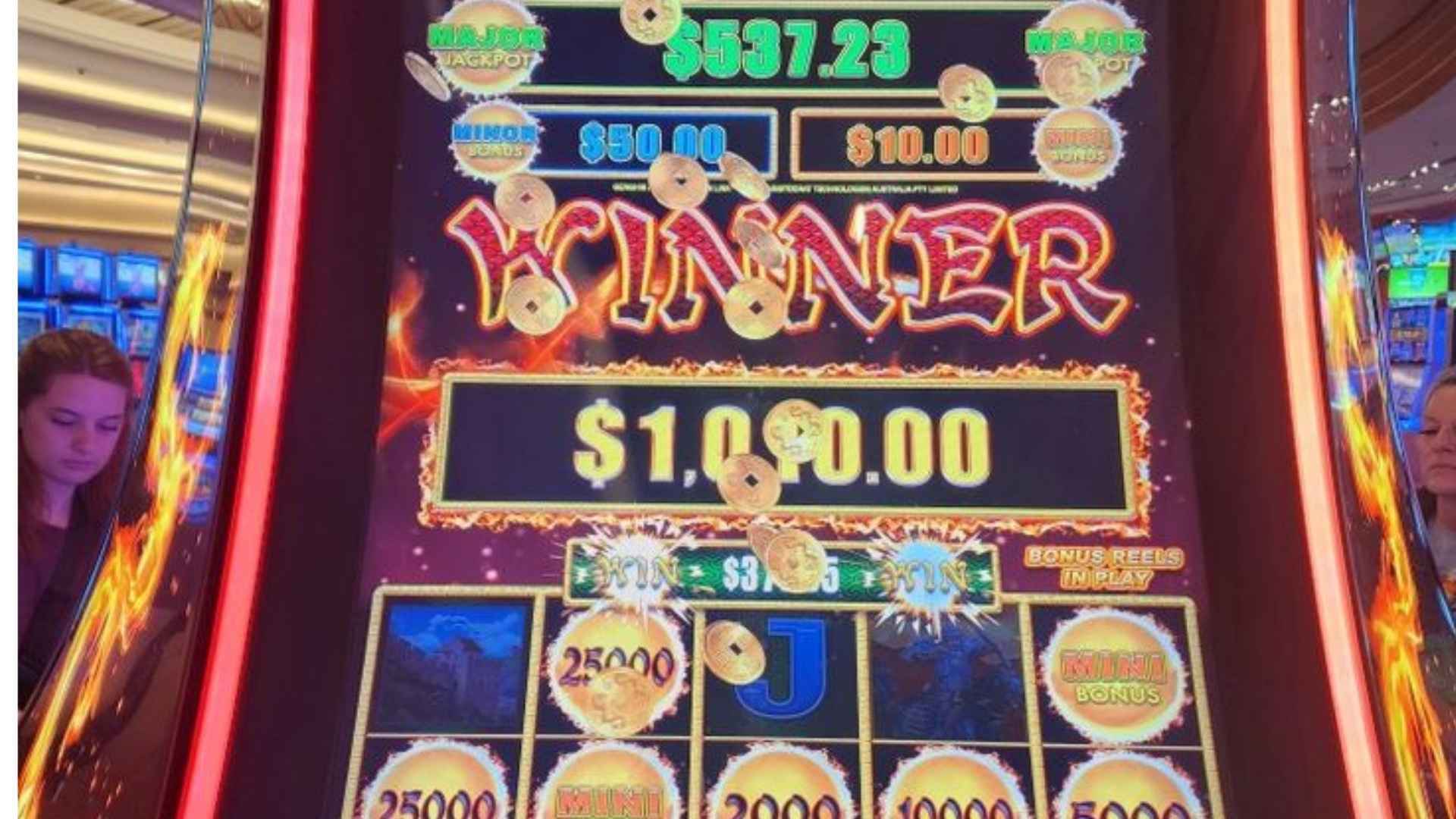
Competitive gaming often presents a major barrier when veterans and newcomers try to play together, as vast disparities in experience can ruin the fun. However, introducing pure chance into the mechanics completely reshapes this social dynamic by leveling the playing field instantly. When victory relies on a random draw rather than hours of practice, players of all skill levels can participate in lighthearted competitions on equal terms.
The Equalizing Power of Unpredictable Outcomes
In traditional strategy games, experienced players almost always dominate, which can leave beginners feeling isolated or discouraged during social gatherings. Random selection tools eliminate this tension by ensuring that nobody can perfectly predict or control the final outcome of a round. This shift from calculated mastery to shared suspense fosters a highly welcoming atmosphere where anyone has a genuine shot at winning.
As a result, the natural anxiety associated with losing to a much stronger opponent is replaced by collective amusement and surprise. Participants are free to focus on the immediate excitement of the event rather than worrying about tactical mistakes. This balance makes randomized mechanics an excellent choice for family game nights and corporate icebreakers alike.
Building Social Bonds Through Shared Anticipation
When the outcome of a contest is decided entirely by luck, players tend to celebrate together rather than forming intense, stressful rivalries. The shared experience of watching a spinner slow down or a card turn over creates an immediate emotional connection among spectators. Because no single person can take credit for a lucky streak, the atmosphere remains consistently positive and inclusive.
These lighthearted moments frequently lead to friendly teasing and memorable stories that groups fondly recall long after the game ends. Many modern entertainment platforms incorporate similar probabilistic elements to keep their communities thoroughly engaged. For instance, players looking for casual variety often explore options like the m88 link alternatif to experience fast, chance-based loops that prioritize instant entertainment over steep learning curves.
Shifting the Focus from Performance to Playfulness
Removing complex rulebooks and heavy strategic requirements allows individuals to enjoy gaming in its purest, most unstructured form. Players no longer need to spend days analyzing optimal moves or memorizing intricate patterns just to remain competitive. This simplification lowers the barrier to entry, encouraging passive observers to step forward and join the activity actively.
Ultimately, chance-based challenges succeed because they prioritize human connection and emotional engagement over raw technical performance. They remind us that the primary purpose of gathering for a game is to share laughter and build relationships. By embracing the absolute unpredictability of a random result, groups can sustain vibrant, inclusive rivalries that keep everyone coming back for more.